







There are moments when a church no longer feels like a sanctuary. Not because the building has changed. Not because the hymns are no longer sung. But because something unseen has shifted. The structure remains the same, yet the spirit of the place feels different, as if the energy that once nurtured trust and belonging has quietly moved.
When spiritual authority drifts from its calling to care and protect, something sacred begins to fade, and leadership shifts from service to self-preservation. The change is often subtle, policies are invoked, “order” is defended, formal votes and official language take center stage, and those in power insist they are acting “for the good of the church.” Yet when maintaining structure becomes more urgent than nurturing people, it becomes clear that something essential has moved off-center.
Jesus Himself was unflinching about this. In the Gospel of Matthew 21:13, when He entered the temple and saw exploitation in a place meant for prayer, He overturned tables and declared, “My house shall be called a house of prayer, but you have made it a den of thieves.”
He was not condemning seekers. He was confronting leadership. He was not attacking faith. He was defending it. His strongest words were directed at religious systems that burdened people in the name of God, hypocrisy, pride, and sacred language used in ways that obscured compassion. That distinction matters.
Perhaps even more painful than strained leadership is the quiet that can settle over a congregation. Many people sense when something feels unsettled. They notice the tension in meetings. They observe who quietly steps away. They hear explanations that do not fully rest easy in the heart. But confrontation is uncomfortable and speaking up can feel costly. And so many choose what feels safer: silence. Silence can feel neutral. But over time, it can unintentionally allow unhealthy patterns to continue. Not always out of agreement, often out of a sincere desire to “keep peace.” Yet peace built only on avoidance often protects those in power while leaving deeper issues untouched.
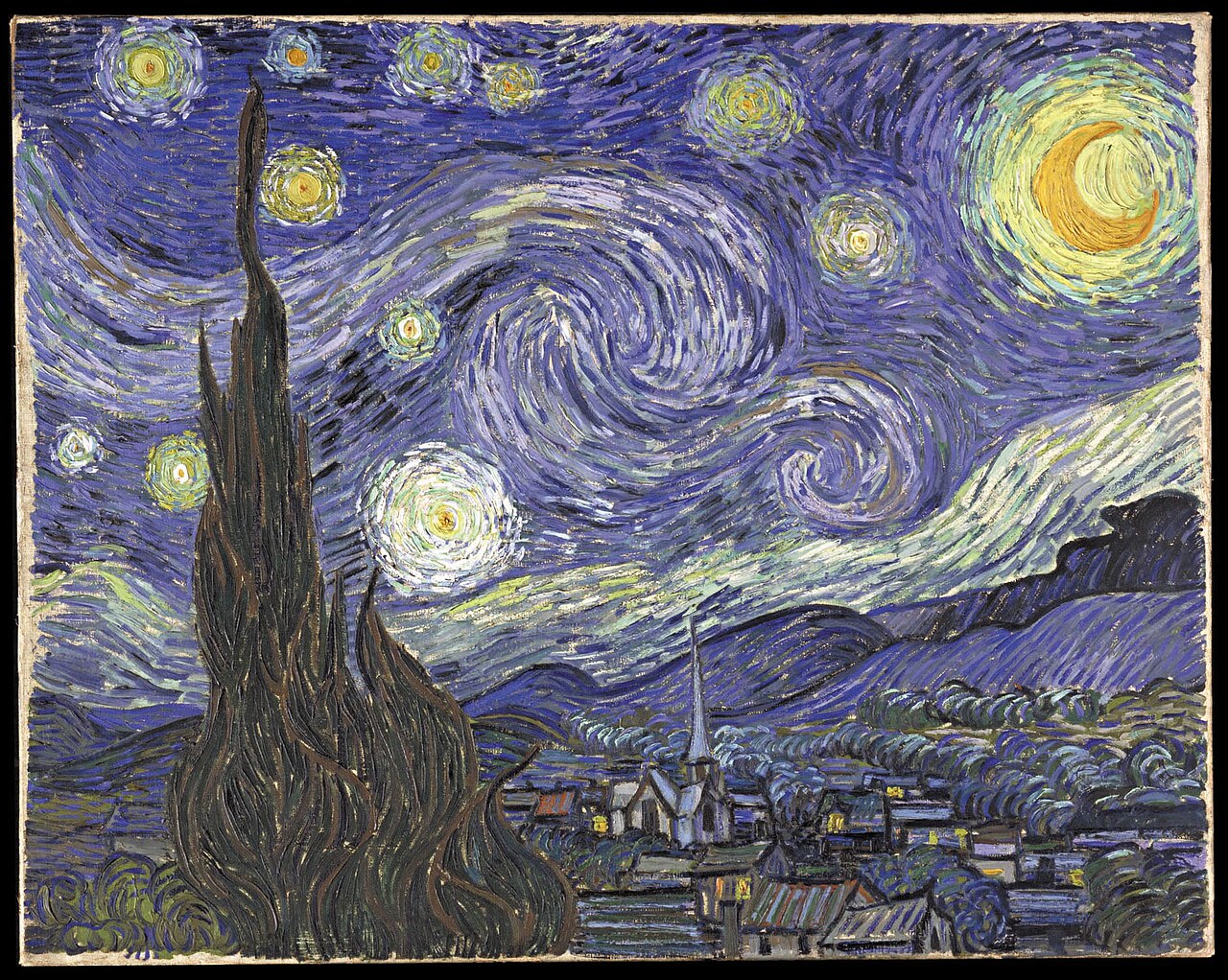
I attended a sermon recently that reframed this struggle in a way that lingered with me. The pastor turned to The Starry Night by Vincent van Gogh. In the painting, a small church stands beneath a vast, swirling sky. The heavens blaze with movement and light. The stars burn brightly. The night feels alive. But the church windows are dark. No visible glow spills from within. And yet, nearby, the houses shine warmly. Light fills their windows. Life is unfolding inside them. Above it all, the sky swirls with brilliance.
The pastor’s message was simple: our light is still meant to shine, even if the church feels dim. Institutions can struggle. Leadership can falter. But divine light is not confined to stained glass or governance. It lives in ordinary hearts. It glows in quiet acts of courage. It flickers in compassion, integrity, and prayer. The building may stand in shadow. But the sky is not dark.
In such seasons, something clarifies. You begin to separate spirituality from institutions. God from governance. Faith from faction. You notice how much of church life can revolve around reputation, alliances, influence, and structure, things that can overshadow prayer, humility, and transformation. And stepping back becomes less about rebellion and more about preservation. Preserving your conscience. Preserving your peace. Preserving your ability to trust that God is still good.
Jesus’ anger in the temple was not a rejection of worship. Instead, it was more a defence of the same. He cleansed the space because sacred spaces matter. Sometimes stepping back is not abandoning the church. Sometimes it is simply protecting the sacred space within your own soul.
There is grief in realizing when a church feels dim. Grief for what it could be. Grief for what it once was. Grief for unity that now feels strained. But look again at The Starry Night. The church may appear dark. The houses are not. The sky certainly is not. Divine light is not extinguished by politics. It does not disappear because leadership struggles. It is not confined to leadership or structures.
Institutions may dim. The stars still burn. God’s light is not trapped behind walls, and neither should ours be. Even if the steeple casts no glow, the night sky belongs to Him, and our lives are meant to reflect it.